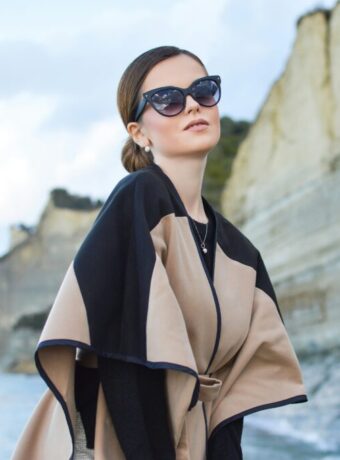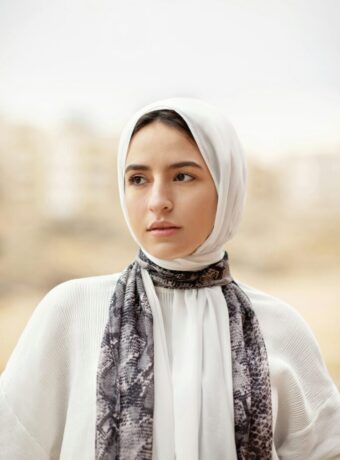
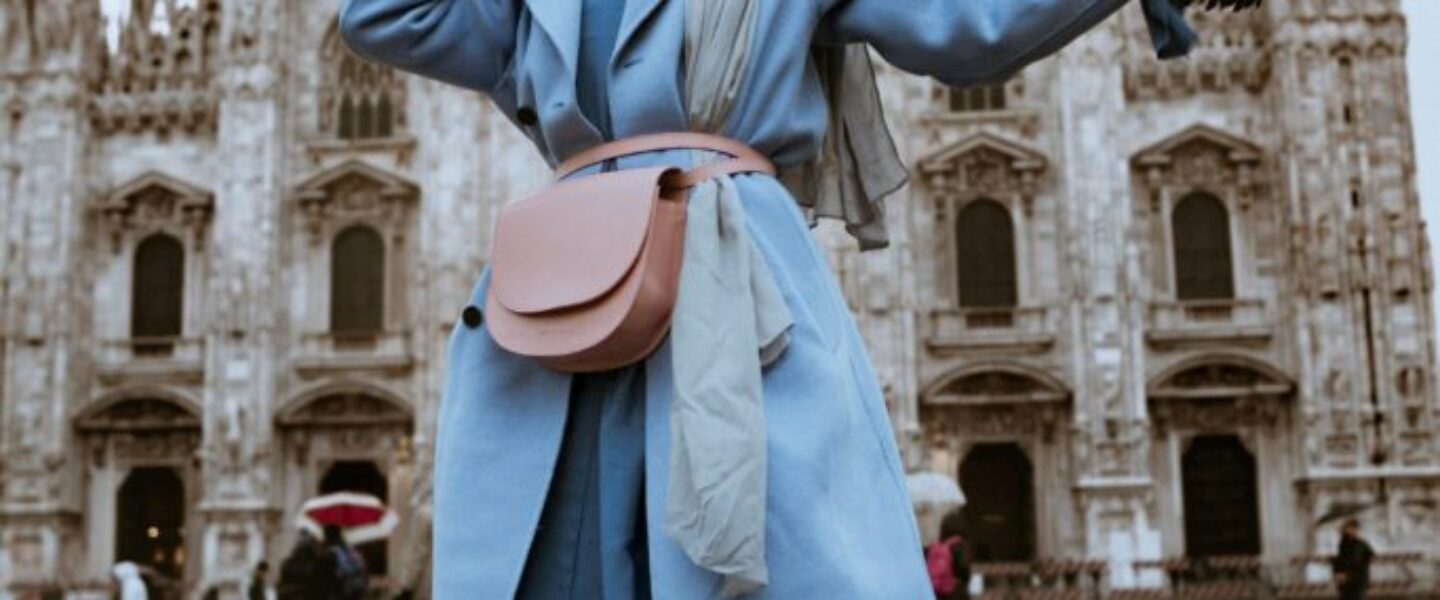
Modest fashion has emerged as a powerful trend in the global fashion industry, reflecting both cultural diversity and personal expression. Traditionally associated with specific religious and cultural practices, modest fashion now transcends these boundaries, attracting a broad spectrum of consumers who value modesty for various reasons. Whether motivated by personal beliefs, body positivity, or the desire for more versatile and sophisticated clothing options, women are embracing modest fashion as a stylish and empowering choice. The trend reflects an evolution in how we think about fashion, where modesty is no longer seen as restrictive but as a celebration of grace and elegance.
One of the driving forces behind this growing trend is the rise of social media and online influencers who promote modest fashion in creative and aspirational ways. These influencers, from various backgrounds and faiths, have successfully brought modest fashion into the mainstream by showcasing how modest clothing can be trendy, contemporary, and versatile. With brands and designers responding to this demand, the industry has expanded its offerings, producing collections that include everything from loose-fitting dresses and long-sleeved blouses to flowing abayas and kaftans. The fashion runways and retail outlets now feature modest fashion pieces alongside mainstream trends, proving that modesty is becoming a global statement of style.
Modest fashion’s appeal also lies in its versatility. It can be adapted for various occasions, from casual everyday looks to formal events, and it resonates with women of all ages. This inclusivity is part of what makes modest fashion so significant today—it’s not just about covering up, but about offering more options for self-expression through clothing. With sustainability and ethical fashion also becoming more important, many modest fashion brands focus on creating high-quality, timeless pieces that align with responsible consumerism, further contributing to its popularity as a lasting trend.